Epoxy Floor Coatings
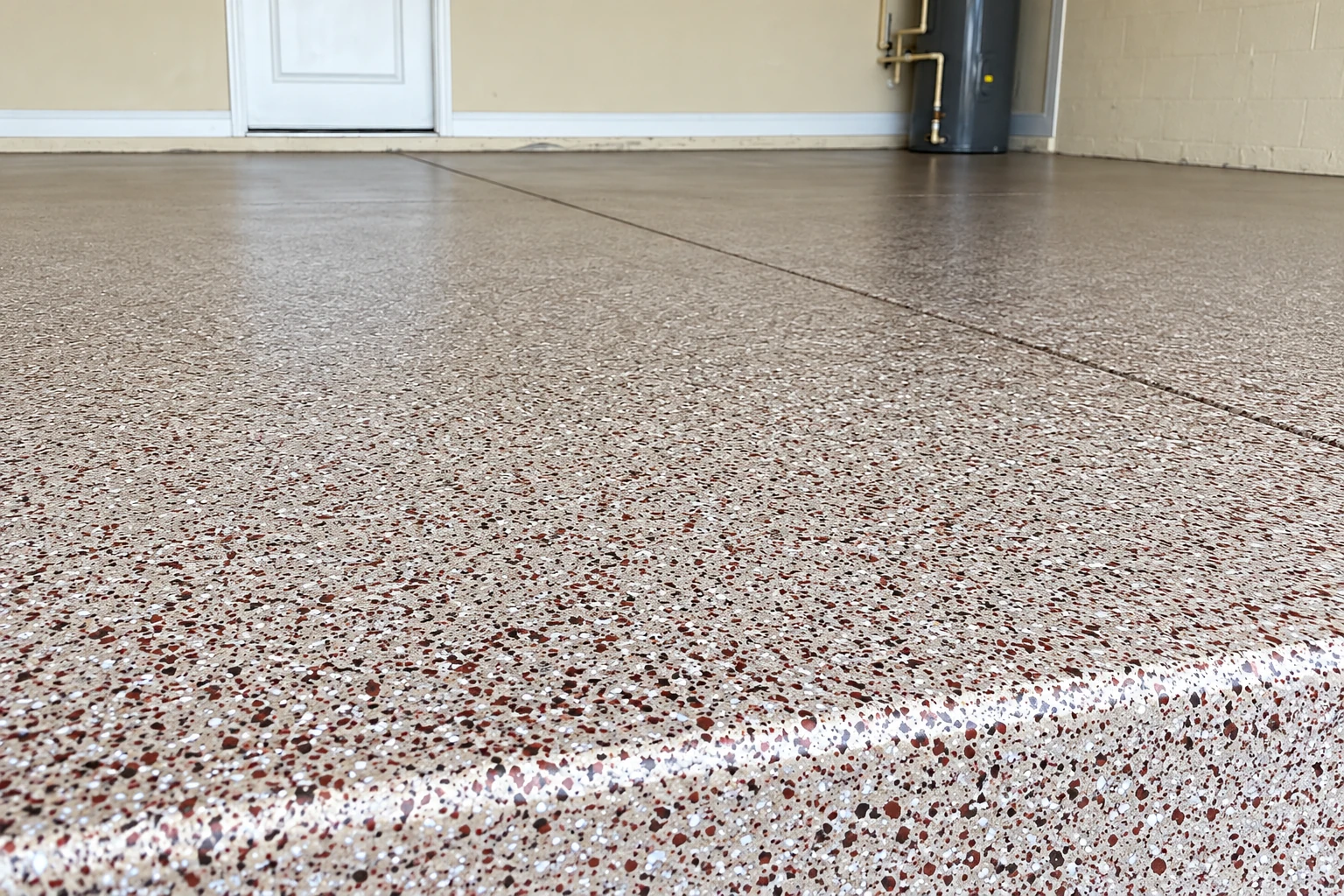
A tough, glossy coat over ground concrete for garages, laundry rooms and workspaces, and we grind first so the epoxy bonds to clean, open concrete instead of dust and old sealer.
Truefinish Monterey Epoxy Flooring is a flooring contractor based in Monterey, and we coat, polish and repair concrete floors in Castroville, from home garages and basements to patios, pool decks and shop floors that take a beating.
Castroville is a short drive from our base in Monterey, and the floors we see there look a lot like the ones we work on in Salinas and Prunedale. Homeowners call about garages that have gone dusty and oil-stained, patios and pool decks that have faded or cracked, and older slabs nobody's touched in years. Business owners call when a shop or work building floor is getting chewed up.
Size sets the starting point, but the condition of the floor moves the price most, because stripping an old coating, filling cracks and pits, and dealing with moisture coming up through the slab all add work. Picking a full flake or metallic system over a clear sealer adds to it too. Timing turns on that same prep and on the weather, and since most of the rain here falls between October and April with little in summer, outdoor jobs like patios and pool decks go best in the dry months.
After I've seen the floor in person, you get the estimate in writing, so you're looking at your own figure instead of a guess over the phone.
Most floors that peel or bubble were rushed before the first coat went on, so we grind, clean and repair the slab until the coating has something solid to grab.
I come out to measure and test the slab before we price anything, because moisture and old sealers decide which coating system will actually last on your floor.
Our crew does the work with my lead installer in charge, and I stop by to check in, so the person who looked at your floor stays part of the job.
A tough, glossy coat over ground concrete for garages, laundry rooms and workspaces, and we grind first so the epoxy bonds to clean, open concrete instead of dust and old sealer.
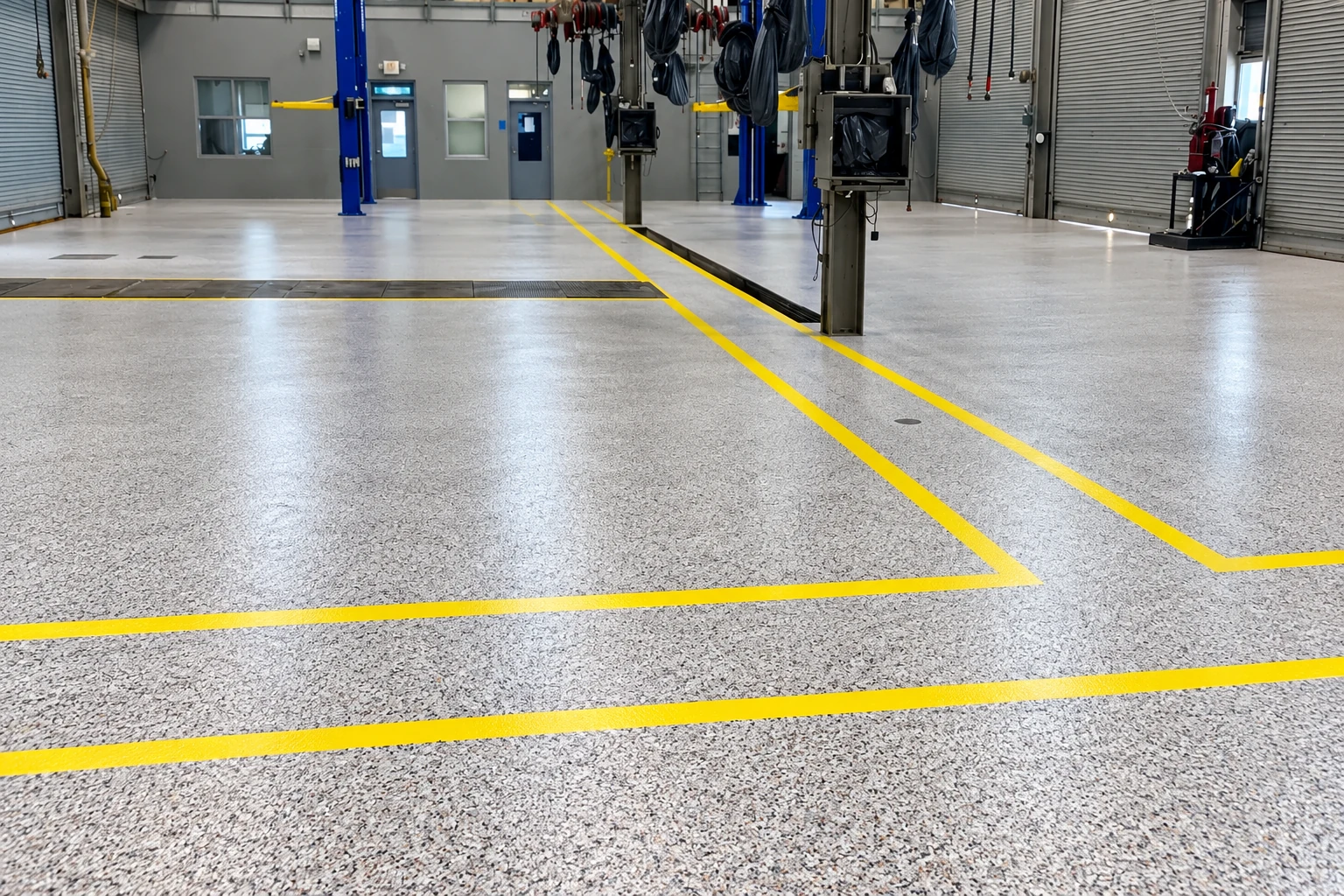
Heavier systems for shops, warehouses and work buildings where forklifts, carts and spilled fluids chew through a thin coat, and we plan the timing with you so work keeps moving.
Garage floors here often show tire marks, oil spots and a dusty surface, so we grind, fill cracks and lay a coat that wipes clean and stands up to hot tires.
A faster-curing coat that holds its color in sun, good for patios and garages with the door up, though it sets quickly, so every bit of prep has to be done first.
Swirled, glossy epoxy with a look like stone or poured metal, popular for living spaces and showroom-style garages, and no two floors come out quite the same.
A thick, hard-wearing floor for kitchens, food prep and processing rooms that get hot water, washdowns and temperature swings that would crack or lift an ordinary coating.
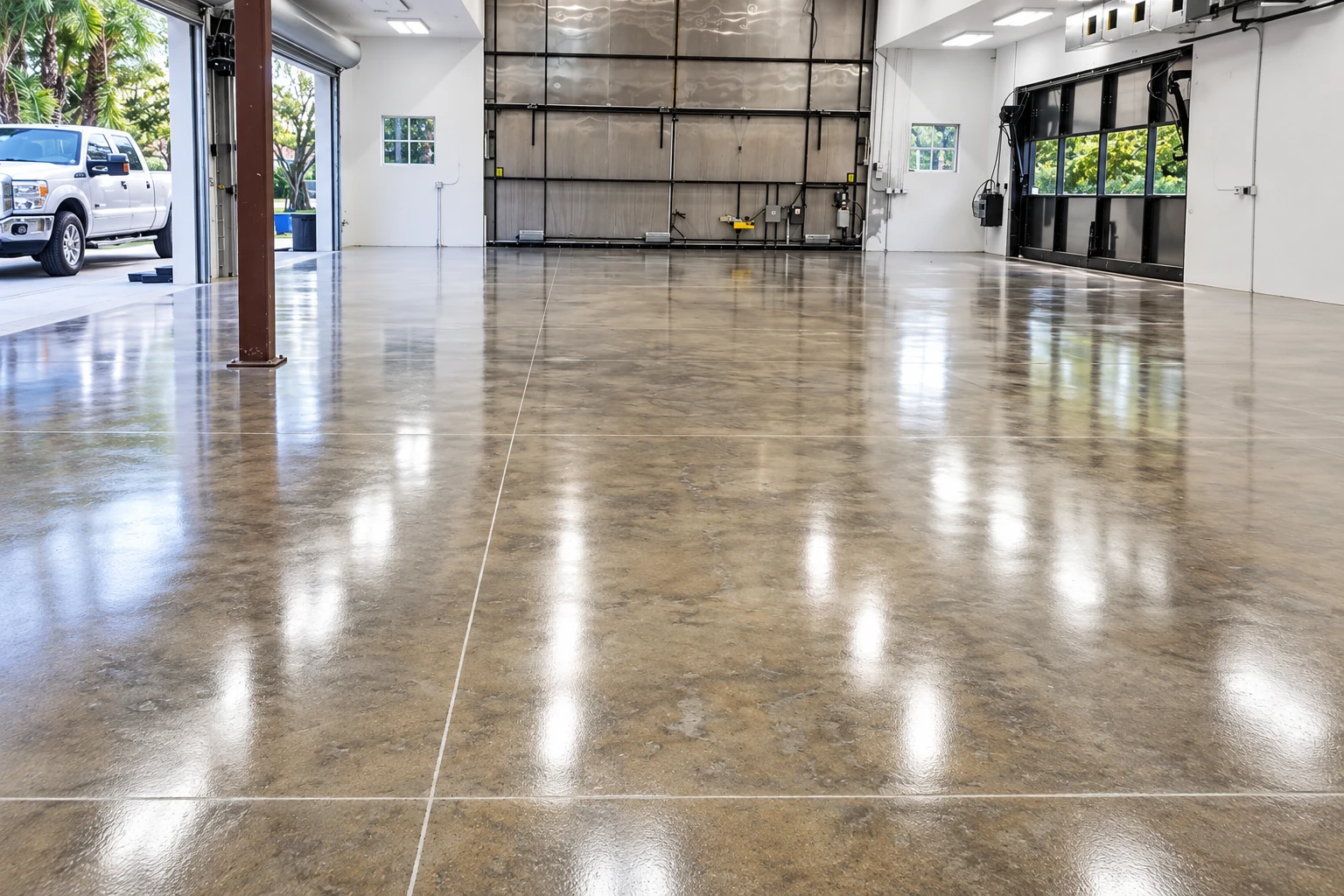
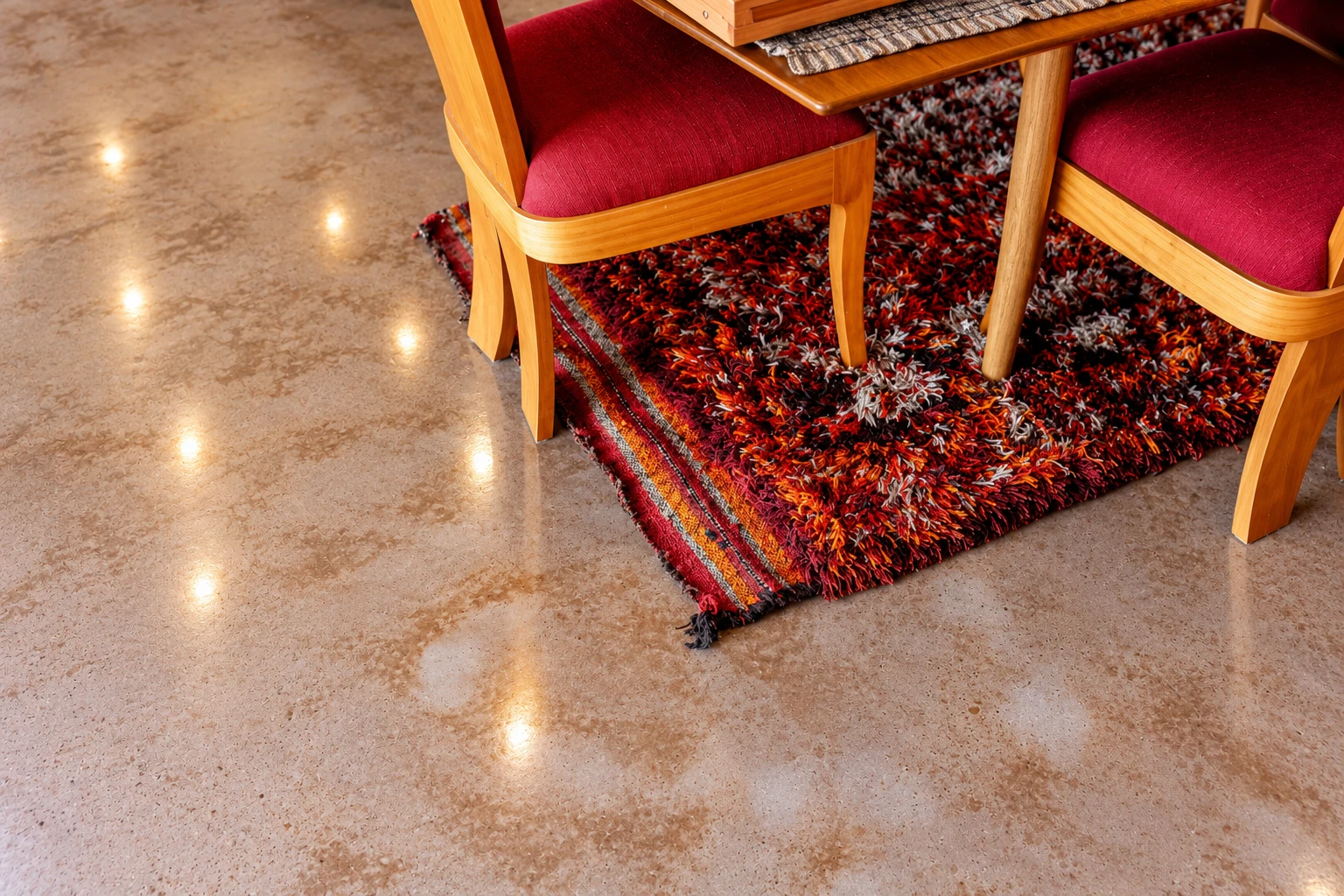
We grind the slab itself in steps until it shines, then harden and seal it, which leaves nothing to peel and suits shops, offices and modern homes with sound concrete.
Color soaked into the concrete rather than laid on top, good for patios and interior slabs, and I'll tell you upfront that stains and patches still show through it.
Chips of marble or glass set in a binder and ground smooth, a long-lasting floor for entries, lobbies and commercial spaces where the look and the wear both matter.
Basement slabs can push up moisture that lifts a coating, so I test before we pick a system, then coat it for storage, a home gym or living space.
Diamond grinding opens up the concrete and takes off glue, paint and old sealer, and it's the step that decides whether any coating on top holds or peels.
A clear sealer for driveways, patios and garage floors that mostly need protection from stains and water, often the simpler choice when a full coating is more than you need.
A thin cement-based layer over worn, pitted or patched concrete, so you get a fresh surface without tearing out a slab that's still solid underneath.
A pourable mix that flows out flat over uneven or sloping floors, used to level a room before a coating or new flooring goes down on top.
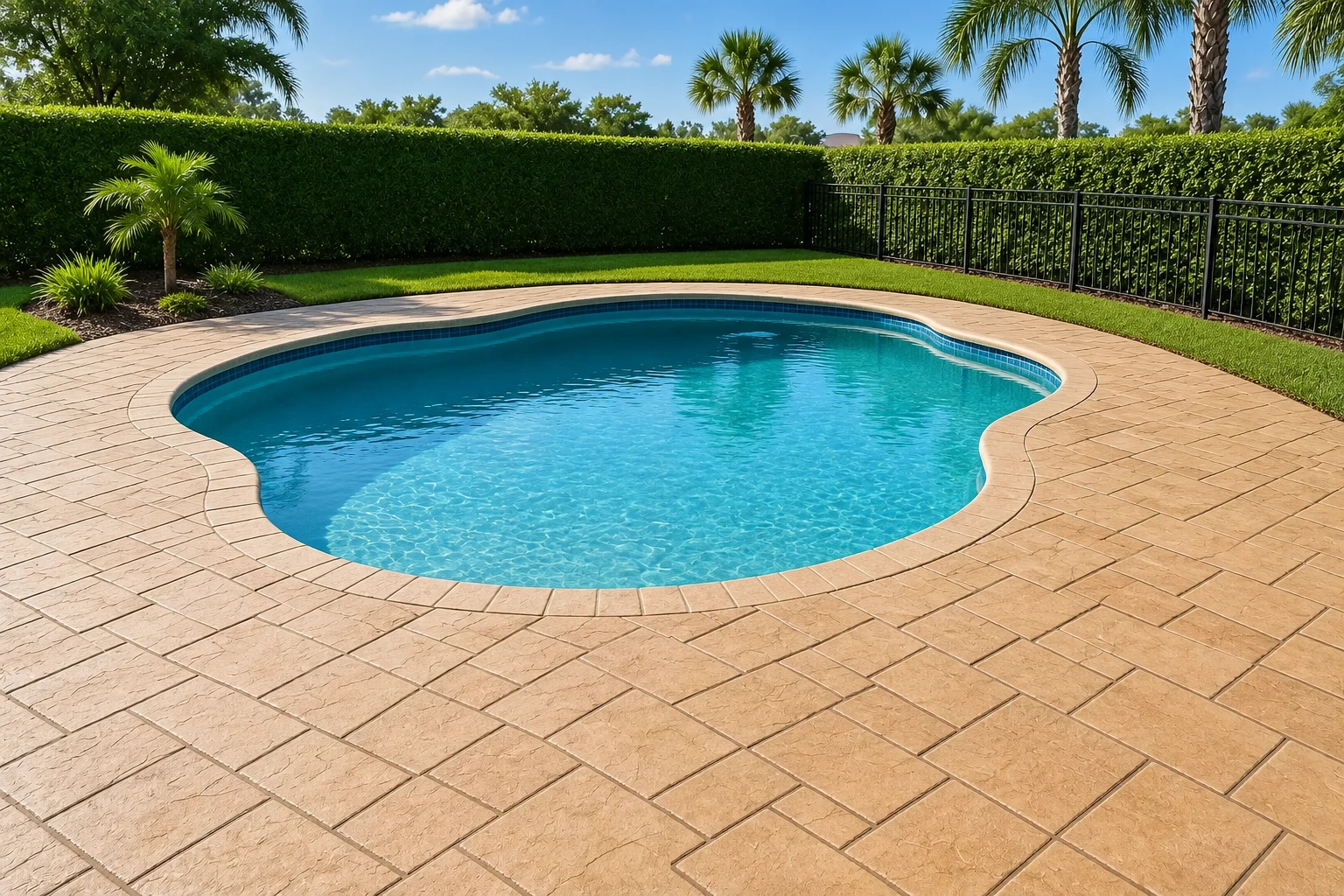
Cracked, faded or hot pool decks get repaired and recoated with a textured, slip-resistant finish, and we plan the work for dry weather so rain doesn't interrupt the cure.
We take off failing epoxy, paint, tile adhesive and old coatings down to bare concrete, which is often the first step before anything new can go down right.
Send the form or call, and we'll reply within one business day to set a time. I'll come out, look at the floor and test the slab, then you get a free written estimate with no obligation.
That's our promise on the work, and the written estimate lays out what we're doing to your floor, so you know exactly what you're paying for.
If a clear sealer will do the job for less than a full coating, I'll say so, because I'd rather you pay for what your floor actually needs.
I started this business in Monterey in 2013 after learning the trade on a coating crew, so I've seen most of the ways a rushed floor fails.
Most of what people ask before a Castroville floor job comes down to permits, licensing and whether the slab is ready for a coating.
It may be exempt, because Monterey County's coastal permit rules treat maintenance and alterations to an existing single-family home as exempt in unincorporated Coastal Zone areas, though work on a beach, wetland or near a bluff edge can still need one. The county's Planning and Building Inspection Department decides from your plans, and we check with the county before we start and handle the paperwork with you.
Usually, yes. California's Contractors State License Board requires a license when a project needs a building permit, uses employee labor, or when the contracts on it total $1,000 or more in labor and materials, and home improvement businesses must be licensed before they bid. We're licensed and insured, so that's covered before you see a written estimate.
Yes, usually, but the failing coat has to come off first, because a new layer over a loose one just peels along with it. We strip it to bare concrete, grind the slab and check for moisture, since damp concrete is a common reason the first coat let go. I'll tell you on site what yours needs.
These are the cities with their own page on our site, and we work in plenty of places in between, so call or send the form if yours isn't listed.
A quick call to (831) 204-4420 or the form gets a time on the calendar, and our phone hours run seven days a week.